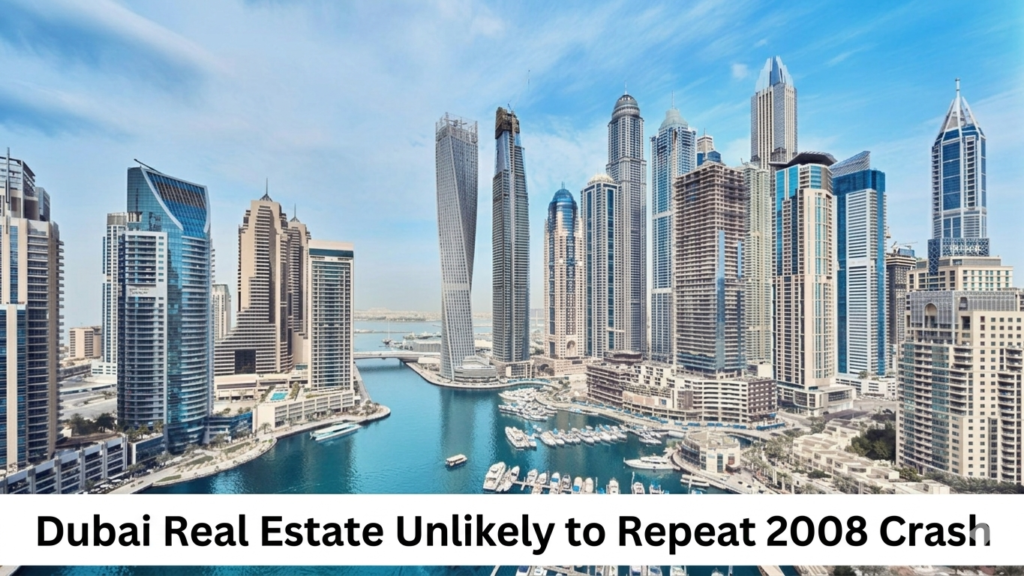
The Dubai real estate market continues to show strong resilience, reducing fears of another downturn like the 2008 crisis. Investors and buyers now operate in a more secure environment supported by strict regulations and transparent processes. As a result, confidence in Dubai’s property sector keeps growing, especially among apartment investors seeking long-term value. This shift highlights how the market has matured significantly over the past decade.
Dubai Real Estate Shows Strong Stability After Reforms
The Dubai real estate sector has evolved through major reforms introduced after the global financial crisis of 2008. The governments have established stringent laws that see the developers adhere to disciplined construction schedules and budget obligations. Speculative buying, therefore, has been reduced with true demand driving more natural growth of the market.
Moreover, banks have tightened the mortgage regulations which avoid safe lending and ensure that buyers are not overexposed to hazardous mortgage markets. This strategy ensures a better balance between the demand and supply resulting in further market stability. Hence, the sector is much more transparent and less volatile than the previous cycles were.
Stronger Regulations Create a Safer Investment Environment
The regulatory system in Dubai is instrumental in ensuring long term stability of the market and confidence in the property market among investors. The approvals of project, escrow funds, and the responsibilities of the developers are closely monitored by the government authorities to hold them accountable at every stage of the project. Therefore, it means that buyers are less risky when investing in new residential developments.
In addition, the investor friendly policies including long-term visas and other ownership incentives keep drawing foreign buyers into the market. These programs promote foreign investment and promote a long-term demand on residential buildings. As a result, Dubai continues to be a choice destination among international real estate investors who want to claim a safe haven to grow.
Rising Demand for Apartments Supports Market Growth
The real estate market in Dubai has been on a stable footing mainly because of the demand for apartments. Apartments are popular because they are cheap, placed in the best locations and offer contemporary lifestyle amenities. In addition, developers are currently working on designing communities based on real market requirements instead of hypothetical fads.
This demand-led methodology is used to guarantee higher absorption levels of new projects to curb the risk of excess supply throughout the market. This leads to a stabilization of property prices and the true buying interest among real buyers as opposed to artificial market inflation. So, both end-users and long-term investors are still finding apartment investments very appealing.
Population Growth Strengthens Property Demand
The increasing population of Dubai has been boosting its stable residential property demand in different communities in the city. Business people and other professionals move to Dubai because of its business friendly policies and other living standards. This, in turn, is causing a continually rising demand in the well-designed apartment developments.
Moreover, the economic diversification of Dubai also brings talents to the city in various sectors, such as finance, technology, and tourism. The result of this growth is that the dependency on one industry is minimized, which in turn cushions the property market against economic shocks. It follows that the growth of population is a crucial factor to the stability of real estate in the long term.
Controlled Supply Prevents Market Imbalance
The newer developers in Dubai have developed a more strategic outlook in rolling out their new projects, taking into consideration the demand and not the quick growth. This is because they study the market trends carefully before launching new apartment units in order to maintain a balance. This approach averts the over supply hitches that led to the crash of 2008.
Moreover, gradual project presentations permits developers to adaptability provide with supply depending on the market and purchaser necessities. This versatility keeps inventory levels under control, and in line with real absorption levels. Consequently we do not have any sudden price corrections due to a suppressive force of supply in the market.
Investor Confidence Continues to Rise
The Dubai real estate sector continues attracting investors due to its transparency, stability, and strong long-term growth potential. Buyers have found reasons to consider Dubai as a full grown economy with risk being controlled through clearly stipulated rules and procedures. Moreover, allowing investments in property via the digital platform, transactions become easier and more secure. There is rising demands by foreign investors in Dubai apartments as their prices are attractive and they have ownership advantages. This is the constant inflow of foreign money that keeps property prices and keeps markets afloat. Consequently, investor confidence is still one of the pillars that sustain a strong market.
Infrastructure Development Boosts Property Value
Dubai has been in massive infrastructure investment that connects the city and creates a better city to live in. Emerging transport infrastructure, trade centers, and leisure and lifestyle centers make residential areas more attractive. Consequently, apartment prices enjoy the advantage of accessibility and proximity. Besides, the above developments do not discredit the long-term vision of Dubai as an innovative and sustainable global hub. These projects endeavor tourists who want to live in modern and futuristic living conditions, as well as investors. As a result, infrastructure development is directly correlated to the demand in real estate and their future appreciation in value.
Why a 2008-Style Crash Is Unlikely Today?
The changes which led to the property crash in the year 2008 are no longer evident in the current Dubai market environment. In the past, the habitat of excessive speculation, easy money, and lax regulation had resulted in a precarious property market. Nowadays, those hazardous practices have been substituted with tougher policies and planning based on data. Moreover, investors are no longer interested in short-term returns, but in long term values, which makes the markets less volatile. The change also makes the growth of prices sustainable and in line with significant demand. As such, the chances of another crash are so negligible at this point in time.
Future Outlook for Dubai Real Estate
The future of the Dubai real estate market looks promising as demand continues rising alongside economic and population growth. The developers are aiming at producing quality apartment developments that cater to quality living and surviving requirements. This is a strategy that guarantees both buyers and investors long-term value addition. Moreover, investor-friendly policies and government assistance further make Dubai a world real estate hub. Buyers will be assured of stable growth in real estate prices underpinned by a stable demand and a regulated supply of the product. Consequently, Dubai is still a safe country to invest in property in the long-term.
Conclusion
The Dubai real estate market has transformed into a stable and well-regulated sector that supports sustainable growth and investor confidence. Firm property laws, equal supply and increased demand have provided a safe site to the property purchasers. Further, constant infrastructure building and economic growth is sustaining market basics. To apartment investors, the city of Dubai is a reliable investment opportunity supported by long term planning and transparency. Market cycles can happen, but there are very low possibilities of a huge crash like that of 2008. As such, Dubai is currently among the strongest real estate markets in the world.